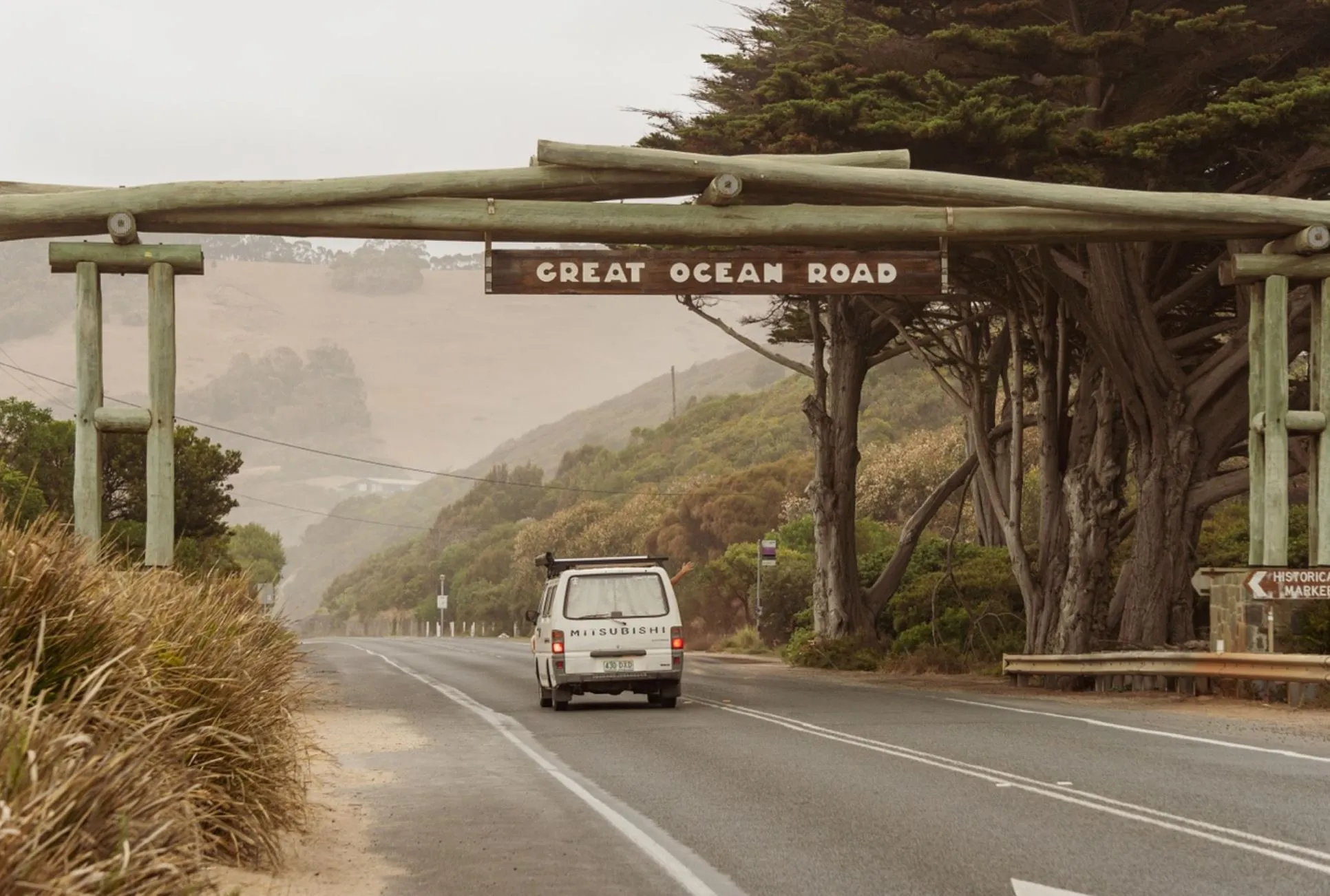
The Great Ocean Road is one of Australia’s most famous scenic drives, with travellers from all over the world flocking to this stretch of coastline. The 243km route follows the southeastern coast of Australia and offers stunning ocean views, rainforests and rock formations like the Twelve Apostles. If you’re planning a road trip along this southern coast drive, you might be wondering: Are there tolls on the Great Ocean Road?
No Tolls
Good news – the Great Ocean Road is toll-free! Unlike some major highways in Australia, you don’t need to pay any toll to drive along this scenic route. The road is a public highway managed by the state of Victoria and there are no electronic tolling systems or toll booths along the way. But be prepared for a tough drive as some parts of the road are sheer cliffs and winding turns that require caution, especially in heavy rain.
Costs to Consider
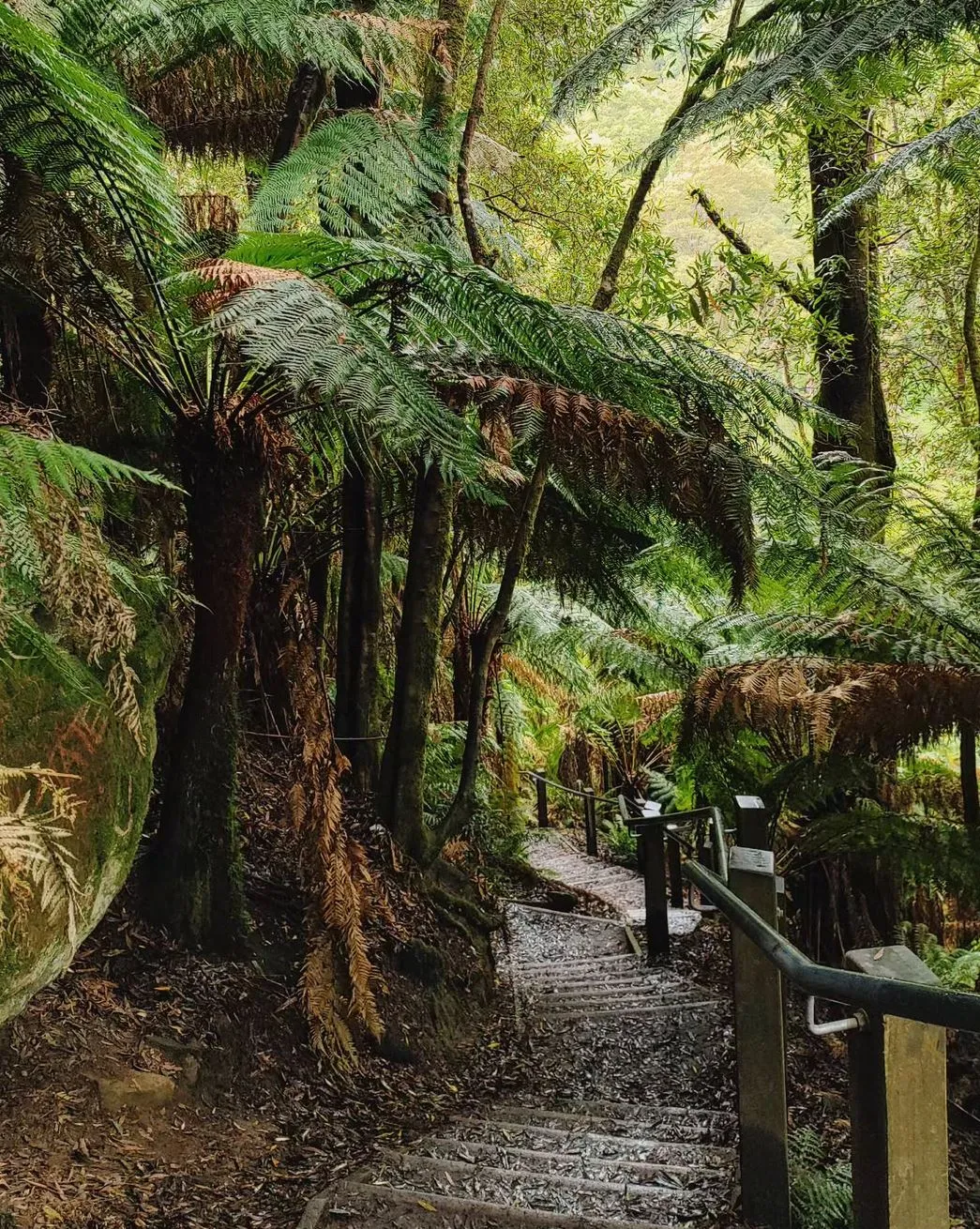
While you won’t have to pay any tolls, there are other costs to consider:
- Fuel Costs: The Great Ocean Road is a long distance so fuel prices can vary. Fill up in larger towns like Geelong or Warrnambool as fuel can be more expensive in remote areas.
- National Park Fees: While the road is free, some attractions along the way, like the Great Otway National Park, may have entry fees or parking costs.
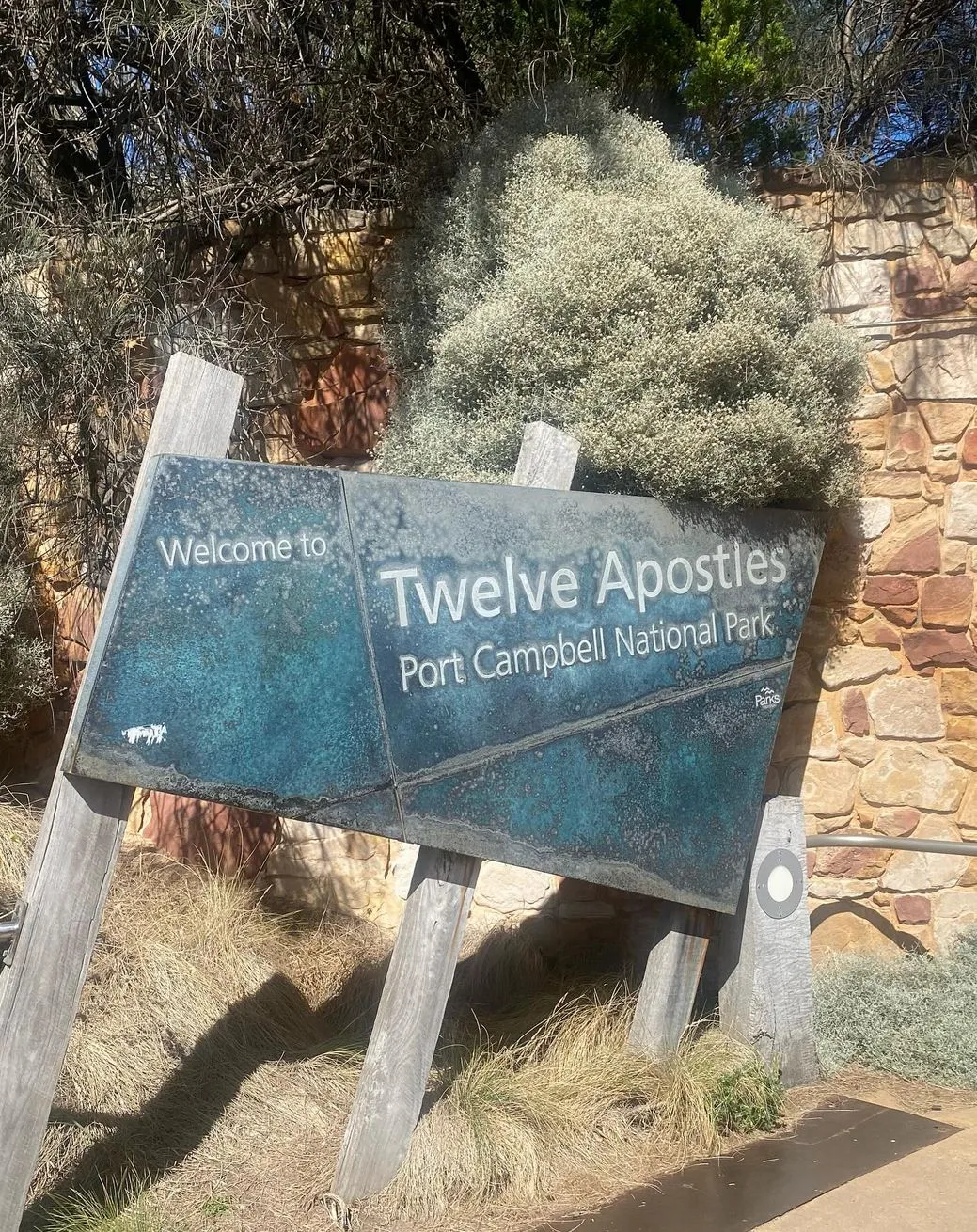
- Parking Fees: Some popular tourist spots, like the Twelve Apostles and Loch Ard Gorge, have parking facilities that require a fee, especially during peak season.
- Accommodation & Meals: If you’re staying overnight, budget for hotels, motels, beachfront campsites or campsite lodges. Restaurants and cafes, along the way, cater to all budgets, from casual to high-end.
- Real Estate & Farm Houses: If you want to stay longer you can even look into real estate along the southern coast, from modern homes to countryside farmhouses.
- Building Costs: If you’re looking to invest in property along the Great Ocean Road, be aware that building costs are higher due to the scenic and remote nature of the area.
Alternate Routes & Toll Roads Nearby
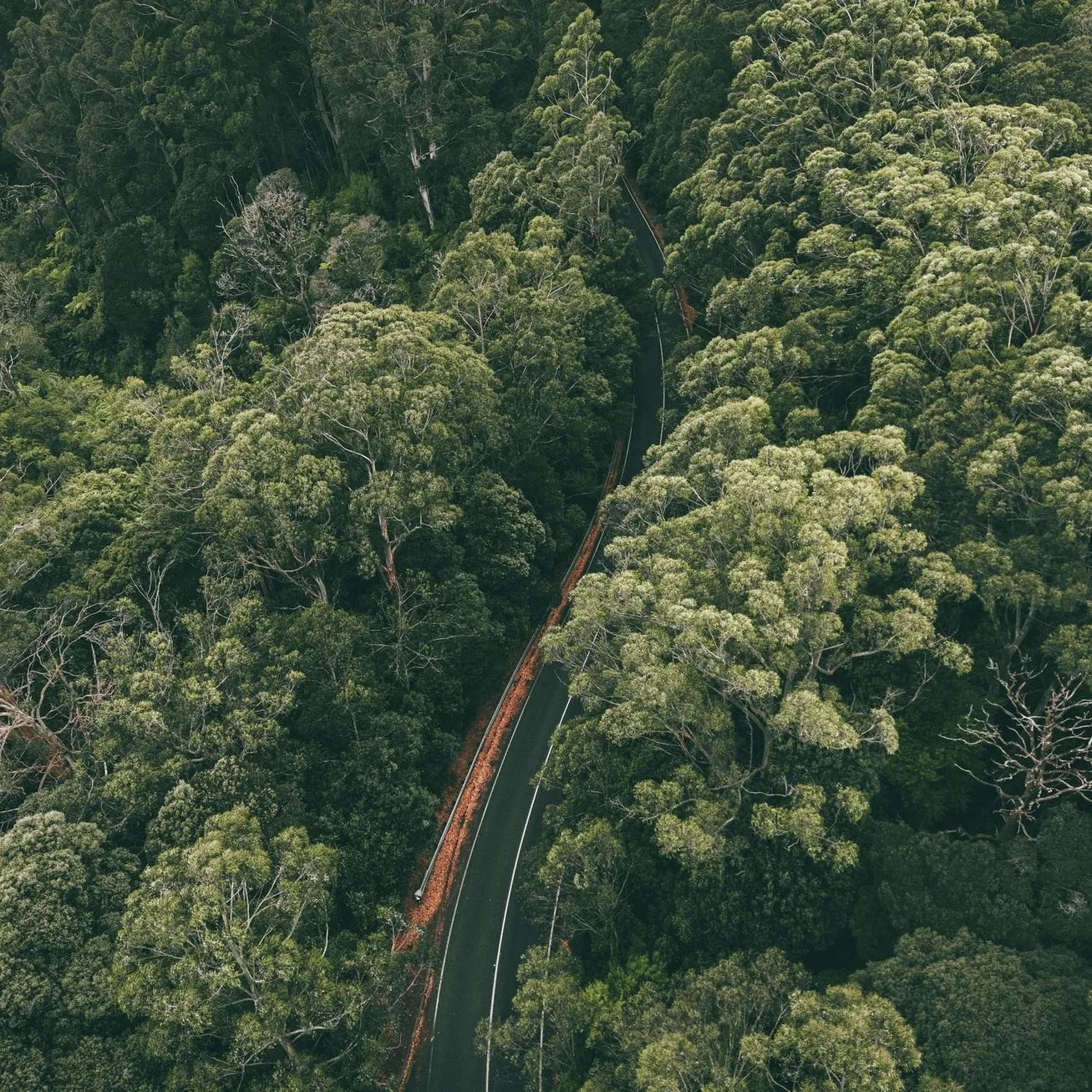
While the Great Ocean Road is toll-free, some highways from Melbourne may have tolls. If you’re driving from Melbourne you may encounter toll roads like CityLink or EastLink. These toll roads are electronic tolling and you’ll need to pay online if you use them.
To avoid toll roads you can take an alternate inland route, like the Princes Freeway (M1) which is a direct and toll-free road from Melbourne to Geelong, the start of the Great Ocean Road. Some people opt for an inland route as an alternative, especially during adverse weather conditions like heavy rain which can make coastal driving more difficult.
Must-See Landmarks
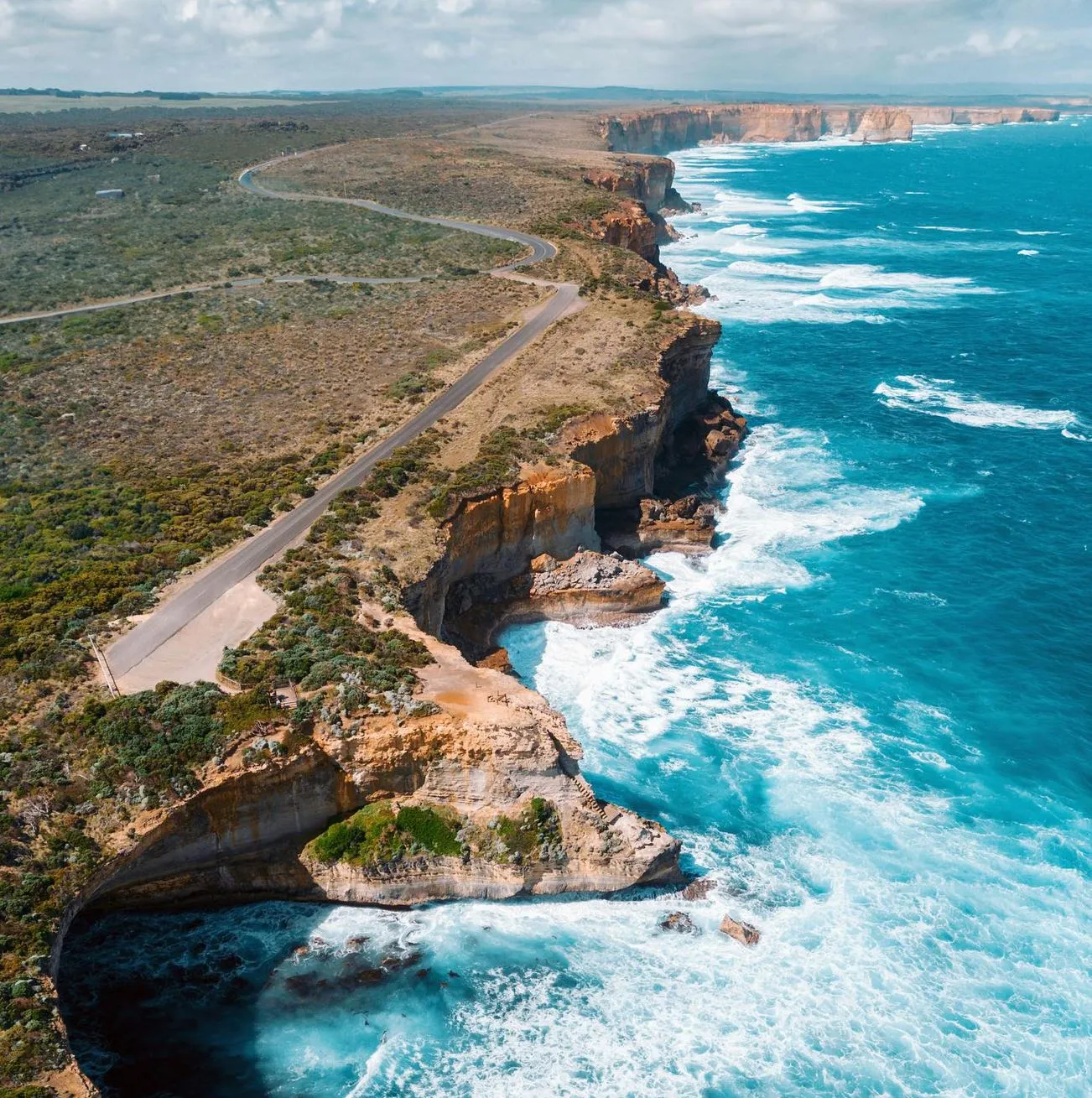
- Memorial Arch: For the soldiers who built the Great Ocean Road.
- Limestone Cliffs: Big cliffs that make the views more dramatic.
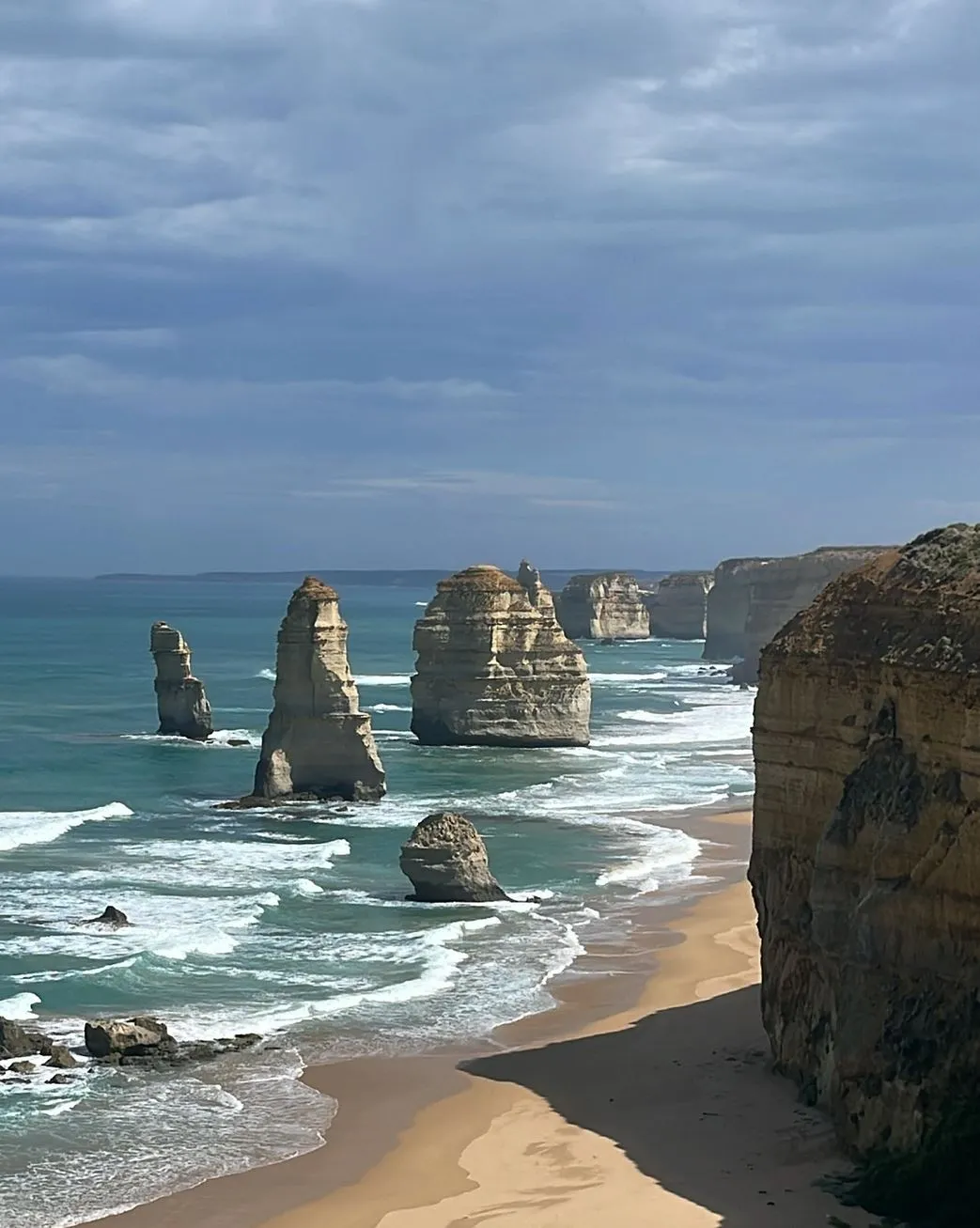
- Twelve Apostles: One of Australia’s most famous natural wonders, these rock formations rise out of the ocean.
- Sheer Cliffs and Winding Roads: This part of the road is all sheer cliffs, stunning views but you need to drive carefully.
- Coastal Towns: Towns like Lorne, Apollo Bay and Port Campbell offer good places to stay and see local coastal life.
- Beachfront Campsites and Lodges: If you like camping, beachfront campsites and campsite lodges are a unique overnight experience by the ocean.
- Great Ocean Road Tours: If you prefer a guided tour, there are many Great Ocean Road tours available, expertly curated itineraries that highlight the best of the road.
Road Safety & Travel Tips
The Great Ocean Road is a scenic but challenging drive, be attentive for sharp bends, changing weather and occasional wildlife crossings. Here are some travel tips to help you:
- Check the Weather: Heavy rain can make the roads slippery and visibility poor. Plan ahead and drive slowly in bad weather.
- Take Breaks: Long drives can be tiring, so take breaks often and take in the views and refresh yourself. If you have health concerns like heart disease, make sure you take breaks as needed.
- Use a Compatible Device: GPS apps on your favourite device will help you stay on track and avoid unnecessary detours.
- Read the Road Signs: Speed limits vary along the road and some areas have restrictions due to road work or landslides.
- Unlimited Travel Options: Self drive, guided tour or even cycle certain sections, there are unlimited ways to travel this amazing coastal road.
Conclusion
By planning ahead and being aware of the costs, you can have a smooth and budget-friendly trip along one of Australia’s most beautiful scenic roads. Keep in mind that building and infrastructure works in the area may affect parking and access to some sites. Also as a reality of long drives, stay aware of road safety especially if you have health concerns like heart disease that may require you to take breaks along the way.
FAQ
Do I have to pay to drive the Great Ocean Road?
No, the Great Ocean Road is free to drive on, with no tolls or entry fees.
Are there any hidden costs to driving the Great Ocean Road?
While there are no tolls, you may need to budget for fuel, parking at some tourist spots, national park entry fees, and accommodation costs like beachfront campsites or campsite lodges.
Are there toll roads from Melbourne to the Great Ocean Road?
Some roads in Melbourne like CityLink and EastLink have tolls. But you can take the toll free Princes Freeway (M1) to get to the Great Ocean Road without tolls.
Is parking free along the Great Ocean Road?
Some parking is free, but popular spots like the Twelve Apostles have paid parking during peak times.
Can I take a bus or tour instead of driving?
Yes, there are guided tours and public transport options if you don’t want to drive. Many tour operators offer day trips or multi-day trips along the Great Ocean Road, with unlimited travel on certain tour packages. Some digital maps and navigation apps are compatible with your device to make it a smooth journey. Great Ocean Road Day Tours is a hassle-free way to see the coastline while enjoying expert commentary and transport.